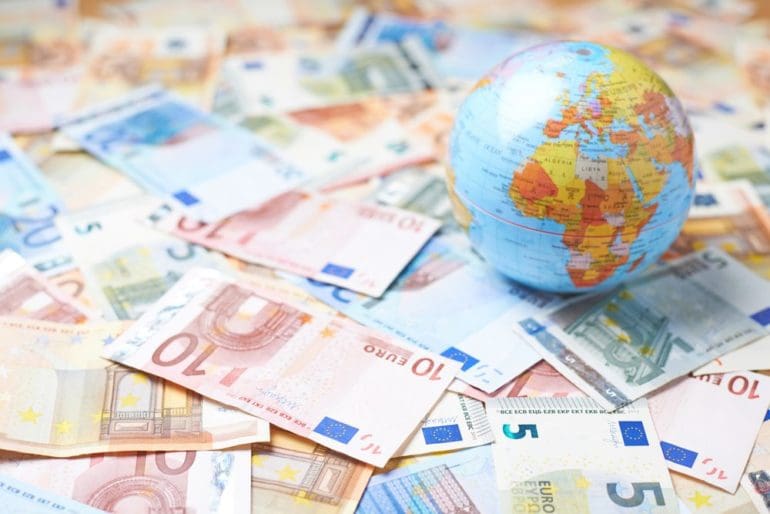
Top 10 Tips For Currency Conversion Fees In Terms Currency Exchange Rates And Exchange Rates
Conversion costs for currency are becoming essential for transactions with financial institutions. This is the case regardless of when you're running international business, going on a trip or managing your investments in foreign currency. These fees can vary widely dependent on the service supplier, the methods of exchange, as well as the currencies used. Understanding these fees can allow you to save money and make informed decisions. Here are the top ten most beneficial tips that can assist you in reducing fees for currency conversion.
1. Learn about the different types of currency conversion fees.
Currency conversion fees come in different forms. They can be service fees, transaction fees or markups on exchange rates. Service fees can represent a percentage of the amount total, while transactions fees are a fixed fee for every exchange. Exchange rate markups occur when the service provider provides lower rates than the market rate. Knowing the different types of charges can help you choose the best option for your budget.
2. Compare Rates from Multiple Providers
It is crucial to compare rates prior to making a decision to exchange currencies. Banks, currency exchange kiosks and online platforms typically have different fee structures and exchange rates. You can compare rates and fees in real-time by using tools for currency conversion. This comparison will help you to identify the best offer and possibly save significant amounts, particularly when you exchange more money.
3. Look for exchange services that do not charge charges
Certain financial institutions, like banks, have accounts with free currency exchanges and reduced fees. For instance, online banks and fintech companies typically offer free exchanges for customers with accounts. Think about opening an account with one of these companies If you often deal with foreign currencies. This will help you avoid costly charges.
4. Be aware of the dynamic currency conversion (DCC) costs
When you pay with your debit or credit cards in other countries, a service known as Dynamic currency conversion might give you the option to use your home currency. It can be useful, but you will often pay higher conversion costs and receive unfavorable rate of exchange. Be sure to avoid the extra costs by using local currency. Additionally, you will receive the most favorable exchange rate.
5. Make use of credit cards that do not charge fees for foreign transactions
Use credit cards that don't charge foreign transaction charges when you travel to save the cost of your travel. Many credit cards that are geared towards travel offer this benefit, allowing shoppers to shop overseas without having to pay additional fees. Choose a card with favorable exchange rates and matches your spending habits. This will help you to minimize costs when traveling.
6. You should think about using ATMs to make a Cash Withdrawals
– Using ATMs to withdraw cash in the local currency can often yield higher exchange rates than kiosks for currency exchange. Be aware of the possible charges from your bank as well as ATM operators. Make sure you choose ATMs that have a connection with your own bank to reduce charges. Always make withdrawals in local currency.
7. Plan to prepare in Advance to convert currency
Do not make last-minute exchanges of currency in airports and tourist destinations. The fees charged are more expensive. Instead prepare your currency conversion in advance to take advantage of lower rates and less fees. Consider researching the best local currency exchange options. Exchange a small amount to cover expenses immediately prior to leaving, and then exchange an amount larger at lower exchange rates when you arrive.
8. Keep track of the exchange rate trends
If you keep in mind the rate of exchange trend, you can determine the ideal time for the conversion of currency. Monitor these trends to be able to make the most of your exchanges. Utilize the latest financial news and information to make your decisions.
9. Factor in Hidden Fees in Transactions
Beware of providers that charge hidden fees which aren't immediately apparent. These fees could be service fees as well as maintenance fees, or unfavorable conversion rates. Always review the fine print and ask questions to fully understand all charges associated with converting currencies. This diligence can aid you in avoiding unexpected costs and help you make better financial choices.
10. Consult financial professionals for large transactions
Financial experts can be a valuable source if you have to conduct large transactions, or if your exchanges are complex. Currency experts can offer insights about how to reduce charges for conversion and maximize your transactions. This is important, especially for companies or investors that engage in international trade.
The following tips will assist you with the challenges and pitfalls of exchange rates. This is especially true if you're traveling overseas, conducting business abroad, or managing your investments in foreign currency. Understanding the nuances of these fees will allow you to make better choices in financial matters that match your personal or business goals which will ultimately help you save money and improving your financial strategy. View the most popular dollar recommendations for more tips including euro usd, dollar to rmb, dollor to inr, usd to rs, usd to inr, us dollar to mexican peso, usd to rmb, usd to rmb, aed to usd, php to usd and more.
Top 10 Tips For Transaction Limits In Terms Of Rates Of Exchange And Currency.
Limits on transactions play a crucial function in all financial transactions. Limits pertain to the maximum amount of money that can be transferred within a certain time period usually set by banks, financial institutions or payment platforms. Knowing the limits of transactions is essential to maximize your money and avoiding costly costs or delays. Travelers may find that transaction limits affect their cash withdrawals as well as purchases in foreign countries. For businesses, they could affect the processing of payments as well as the management of cash flows. Investors need to be aware of their limits on transactions when buying or selling assets. These are the most comprehensive strategies for limiting transaction limits for your financial transactions.
1. Know Your Bank Transaction Limits
Generally, every bank or financial institution has a specific limit for transactions such as transfers, purchases, and withdrawals. Before you travel or make any major purchases, be sure to educate yourself with the limits. This information can help plan your finances in a way that is efficient and help avoid issues when trying to access funds, or purchase items from overseas. Your account limits are available on the website of your bank or by contacting their customer service.
2. Be prepared for cash withdrawals when you travel.
When you travel, it's essential to plan your cash withdrawals in order to remain within the limitations of transactions for your bank. If you have a clear idea of the daily limit for withdrawals and you know your daily limit, you can calculate how much cash you'll require during your trip. To avoid running out of cash, consider making larger withdrawals at once If you can, and be mindful of any foreign ATM fees that might be charged. Also, it is important to have a backup payment alternative in the event that you are unable to withdraw your limit.
3. Utilize Multiple Payment Methods
When transaction limits are in place, relying solely on one payment method is risky. Utilize a mix of credit/debit and cash cards, as well as mobile payment applications to have ready access to your money. This approach lets you control your money when you travel or conducting business, while also avoiding exceeding the limits of a single account.
4. Check your transaction activity regularly
Monitor your transaction activity regularly to stay on top of your expenditure. This can also help you not to exceed your budget. Many banks have mobile apps that allow you to monitor transactions in real-time providing you with insight into your account balance and any charges. You can better manage your finances by keeping an eye out for any activity in your account.
5. Find out about the limits on international transactions
You should ask your bank if they have limits for international transactions. Certain banks place stricter limits on transactions made in foreign currencies, which can affect your ability to transfer money or make purchases when traveling across the globe. Knowing these restrictions will help you plan accordingly and avoid disruptions in your travels.
6. You might want to consider setting alerts to transactions
A lot of financial institutions, including banks, offer alerts that will notify that you're close to the limits of transactions or if a transaction has been made. Set up alerts to help remain on top of your finances. This feature is especially beneficial for those who travel frequently and may be more likely to lose the track of their spending when on vacation.
7. Be Aware of Daily and Monthly Limits
The limits for transactions may differ depending on the timeframe. For instance, you can have daily or month limits. You may be permitted to withdraw a certain amount daily, but your bank might impose a smaller limit on monthly transactions. Knowing these timespans will allow you to plan your transactions more effectively and to access your funds at any time you need them without overspending your limit.
8. Contact Your Bank about Temporary Limits Then, you can increase the amount.
If you think you'll have to make more significant transactions, talk with your bank about possible temporary limit an increase. A majority of banks will accommodate requests for higher limits if you can provide an acceptable reason for example, a trip planned or a major purchase. Ask your bank for the required documentation and needs in advance.
9. Review Limits of Payment Platforms
Use of payment platforms, such as PayPal or Venmo may also cause limitations on transactions. Each platform has their own rules regarding the maximum amount of transactions and limits, which may differ according to the status of account verification and user history. Before making transactions, review these limits to avoid disruptions or delays in processing your payments.
10. It is important to be aware of the limitations regarding investment transactions
Investors are bound by limits on transactions when they purchase or sell assets via their brokerage accounts. These restrictions can limit your ability to complete trades fast, particularly during periods that are volatile in the market. Be aware of the transaction limits established by your broker and utilize limit orders to efficiently manage your investment.
You can manage the difficulties of travel, business and investing better by knowing and managing your transaction limits. Knowing your bank's policy regarding cash withdrawals, utilizing multiple payment options and keeping an eye on your transactions will allow you to make better financial decisions. In the end, this information will allow you to avoid any unnecessary fees or disruptions and enhance your overall financial plan. Read the recommended EUR to HUF examples for more tips including exchange rate, currency converter, baht to usd, aed to usd, mexican peso to usd, usd to mxn, canadian dollar to usd, usd to eur, dollars to pounds, jpy usd and more.